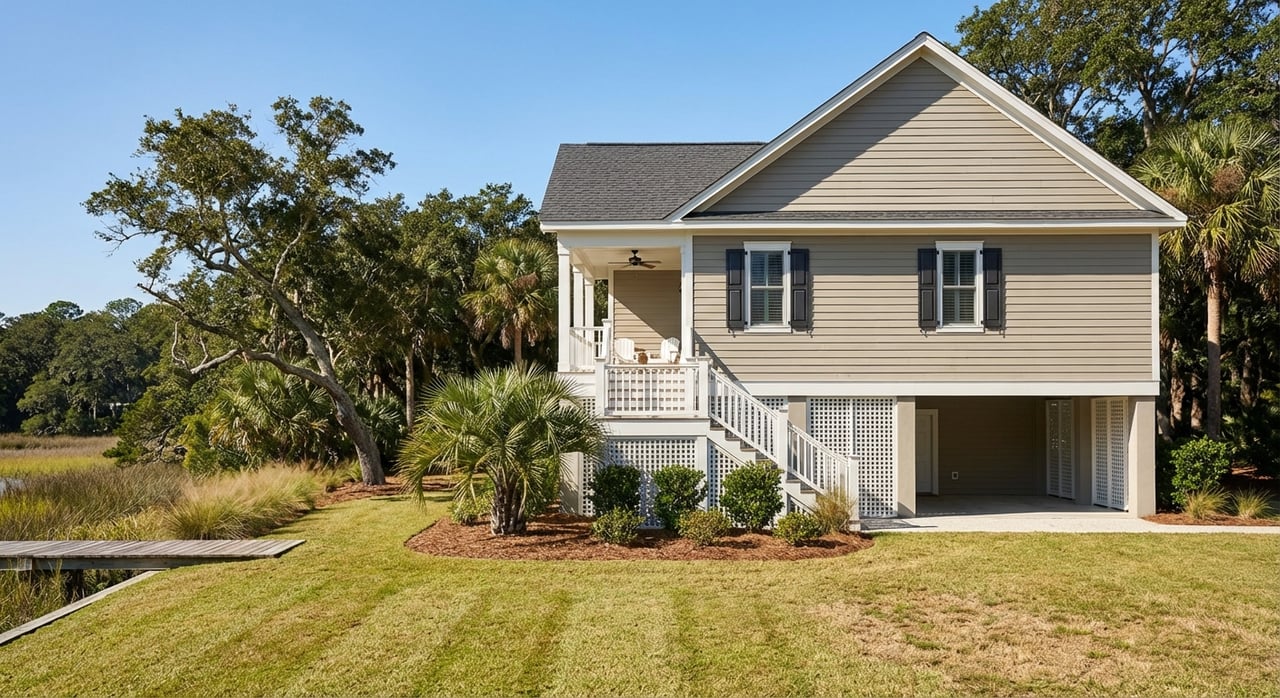
Picture your morning bike ride to the Sea Pines Beach Club, afternoons on the links at Harbour Town, and sunset dinners by the marina. If you’re weighing a second home that doubles as a getaway and a potential rental, Sea Pines delivers a resort lifestyle with clear rules, fees, and services to understand before you buy. In this guide, you’ll learn how the community works, what you can buy, the real costs of ownership, how short-term rentals are regulated, and a practical checklist to move forward with confidence. Let’s dive in.
Why Sea Pines stands out
Sea Pines is a gated, resort-scale community of about 5,000 acres at the south end of Hilton Head Island, anchored by Harbour Town, the Sea Pines Beach Club, two marinas, and multiple golf courses. Think of it as a neighborhood purchase that also connects you to a full resort ecosystem. You’ll find programming, dining, and recreation coordinated by the Sea Pines Resort alongside community services managed by the Sea Pines CSA. Learn more about the resort setting on the official Sea Pines Resort site.
A few quick facts to set the stage:
- Sea Pines uses a gate system for visitor and guest access. A standard two-axle vehicle day pass is currently $9, and a designated weekly short-term rental vehicle pass is $20. Review details and Pass Office info on Sea Pines gate access.
- Property owners pay an annual Sea Pines CSA assessment. For 2026, the approved amounts are Improved Lot $2,065 and Unimproved Lot $1,233. See the CSA’s annual assessment overview.
- The RBC Heritage PGA TOUR event at Harbour Town typically boosts spring demand, traffic, and short-term rental occupancy across Sea Pines.
What you can buy in Sea Pines
You’ll find a wide range of property types, each with its own lifestyle and ownership profile:
- Oceanfront estates and T-street ocean-row homes with top-tier pricing and strong nightly rate potential.
- Marshfront and lagoon-view homes that offer scenery and, in some cases, dock or boat access considerations.
- Golf-view and interior single-family homes that balance privacy, access to amenities, and lower exterior maintenance than oceanfront.
- Villas and condominiums, including many turnkey options that second-home buyers favor for easier maintenance and rental appeal.
- Buildable lots with limited supply, especially near ocean access or premium view corridors.
Prices and market context
Sea Pines is one of Hilton Head Island’s most sought-after neighborhoods, and pricing reflects that. As of January 2026, Redfin reported a median Sea Pines sale price near $1.275M. Actual values vary widely by micro-location, view, proximity to the ocean, and property condition. Expect oceanfront to command a significant premium while interior and golf-view homes and many villas provide broader entry points.
If you’re serious about a purchase, review current comparables and trends before you tour. A local advisor can help you parse micro-locations, regime factors, and renovation scope so you buy with clarity.
Amenities and how access works
Sea Pines blends private neighborhood life with resort amenities, and access is structured:
- Harbour Town, the marinas, and the Sea Pines Beach Club drive much of the lifestyle value. Explore current offerings and resort programming on the Sea Pines Resort site.
- Gate passes are required for casual visitors and rental guests. Read how daily and weekly passes are issued via the Sea Pines gate access guide.
- Pool access varies by facility. The Harbour Town Pool is operated by the Sea Pines Resort and uses owner validation stickers. South Beach Pool and other facilities may require registrations or memberships. Review facility-specific details on Sea Pines pools and recreation.
Planning to rent? Know the two layers of rules
If you expect any short-term rental use, model both Town requirements and Sea Pines CSA requirements. They are separate and both matter.
Town of Hilton Head Island short-term rental rules
- You must obtain a Town Short-Term Rental permit. The current fee is $250 per property, and you’ll also need a business license. See the Town’s process on the official Short-Term Rental permit page.
- The Town requires lodging tax collection and remittance. A common example for short stays totals about 10% on gross rent, combining state sales tax and accommodations taxes plus the Town’s accommodations and beach preservation components. Check the Town site for current rates and rules.
- The Town enforces standards for parking, trash, noise, and owner or agent availability, including a nuisance hotline.
Sea Pines CSA Annual Rental Registration Program
- Sea Pines requires participating rental properties to register annually with the CSA. Fees are based on bedroom count: $300 (1–2 BR), $700 (3–4 BR), $1,000 (5+ BR). Review the program details on the CSA rental registration page.
- The CSA monitors advertised listings. Penalties for nonpayment can include late fees, liens, and suspension of guest/rental pass privileges.
What these rules mean for your numbers
When you build a rental pro forma, include:
- The Town STR permit and required lodging taxes.
- The Sea Pines CSA flat annual rental registration fee tied to bedroom count.
- Property management fees, which are commonly reported in the 15–35% range on Hilton Head depending on services. See a local example of scope and services via Island Getaway’s management overview.
- Turnover costs, housekeeping, guest supplies, and utilities during vacancies.
- Guest access logistics, including vehicle pass coordination and any regime guest rules.
Ongoing owner costs and property taxes
Sea Pines ownership includes a few recurring items that second-home buyers should understand.
- Sea Pines CSA annual assessment: $2,065 (Improved Lot) and $1,233 (Unimproved Lot) for 2026. Reference the CSA’s assessment page for the latest numbers.
- Regime/HOA dues: Villas and many neighborhoods have separate dues and rules that vary by complex. Always request recorded covenants, budgets, and any rental policies in writing.
- Property tax classification: South Carolina assesses owner-occupied primary residences at 4% and non-owner-occupied residential property at 6%. That classification affects your annual tax bill. Review the state code for assessment ratios on the South Carolina Legislature site.
Insurance and coastal risk
Flood, wind, and hurricane risk varies across Sea Pines. Many oceanfront or dune-edge properties face higher flood and wave-action exposure than interior homes.
- Lenders often require flood insurance in certain FEMA zones, and elevation can affect premiums.
- Check a property’s official FEMA flood map panel through the FEMA Flood Map Service Center, then obtain insurance quotes early. If available, review the elevation certificate to understand risk and cost implications.
Step-by-step due diligence for out-of-area buyers
Use this checklist to streamline your process and avoid surprises:
- Confirm the exact property location, neighborhood, and any villa or condo regime. Pull recorded covenants and rules from the Sea Pines compilation to understand use restrictions and budgets. Start with the Sea Pines covenants resource.
- Review FEMA flood maps and request or order an elevation certificate if needed. Obtain at least two quotes for dwelling (including wind/hail), flood, and umbrella liability coverage using the FEMA map center as a reference point.
- Model total ownership costs: CSA assessment, regime/HOA dues, estimated property taxes using the 4% vs 6% guidance, utilities, routine maintenance, coastal capital reserves, and the CSA rental registration fee if renting.
- If you plan to rent, confirm permissibility with the regime and obtain any written rules or caps that could affect your calendar.
- Secure the Town STR permit and business license, register with the CSA rental program, and clarify how guest vehicle passes will be handled. See the Town’s permit page for steps and timelines.
- Interview at least two local property managers. Ask for historical occupancy and ADR for comparable properties, sample owner statements, a complete fee schedule, and a conservative 12‑month pro forma. Use the management overview from Island Getaway as an example of services to compare.
- If financing, confirm lender requirements for coastal properties, including flood insurance, non-primary residence underwriting, and potential down payment differences.
- Consult a South Carolina tax advisor and a local real estate attorney on ownership structure, rental income taxation, and closing-period tax proration.
Pro tips for your search and stay
- Visit in both peak and shoulder seasons. Traffic, parking, and restaurant availability change by season, especially around spring events.
- Ask early about pool and Beach Club access for owners and guests. Access rules differ by facility and may require validation stickers or memberships. See Sea Pines pools and recreation for reference.
- If you will host guests, learn the gate-pass process and build it into your arrival instructions. The Sea Pines gate access guide outlines fees and pick-up options.
Work with a local advisor you can trust
Buying in Sea Pines is about fit, numbers, and smooth logistics. You deserve a partner who knows the micro-locations, regime nuances, rental rules, and vendor landscape so you can enjoy your home and protect your investment. If you value white-glove service, market clarity, and skilled negotiation, let’s talk about your goals and build a plan for your Sea Pines purchase.
Ready to start the conversation? Connect with Tierra Schaffer for neighborhood-level guidance and a streamlined path to your Sea Pines vacation home.
FAQs
What are the typical first-year costs to buy a Sea Pines vacation home?
- Budget for closing costs, furnishings, the Sea Pines CSA assessment (2026: $2,065 improved lot), any regime/HOA dues, initial insurance premiums, and if renting, the Town STR permit ($250), lodging taxes, and the CSA rental registration fee based on bedrooms ($300, $700, or $1,000).
How do short-term rental permits work in Hilton Head and Sea Pines?
- You need a Town of Hilton Head Island STR permit and business license, plus you must collect and remit lodging taxes; separately, Sea Pines requires annual CSA rental registration and fees by bedroom count. See the Town’s permit page and the CSA rental registration program.
Are Sea Pines pools and the Beach Club open to owners and guests?
- Access varies by facility. Harbour Town Pool uses owner validation stickers, while South Beach Pool and other facilities may require separate registration or memberships; Beach Club access is operated by the Sea Pines Resort. Review Sea Pines pools and recreation and the Sea Pines Resort site.
How much are Sea Pines gate passes for rental guests?
- The standard daily visitor pass for a two-axle vehicle is currently $9, and a weekly short-term rental vehicle pass is $20. See the latest details on Sea Pines gate access.
Do I need flood insurance for a Sea Pines home?
- It depends on your FEMA flood zone and elevation; lenders often require flood insurance in certain zones, and premiums vary by risk. Check your property’s panel using the FEMA Flood Map Service Center and get quotes early.