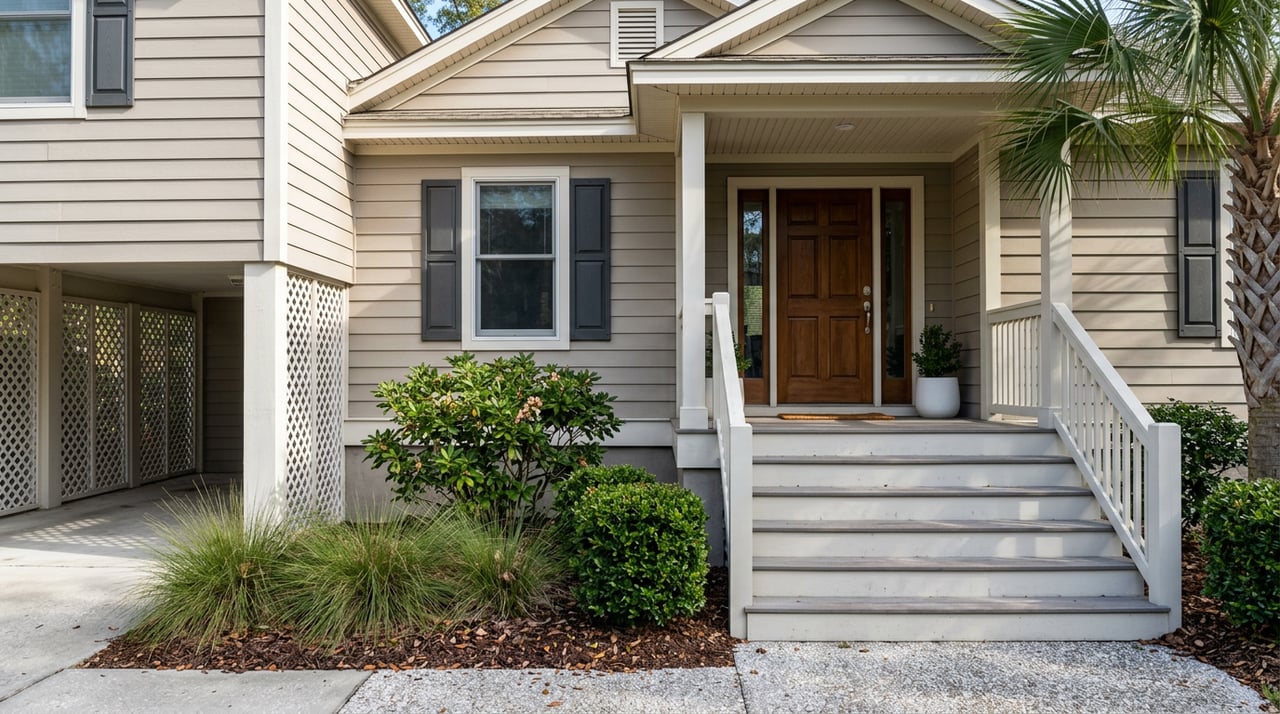
Buying in Shipyard and want your offer to rise to the top? You’re not alone. This gated, resort-style community on Hilton Head Island draws both lifestyle buyers and investors, which means the best homes and villas can move fast. In this guide, you’ll learn how to price with confidence, use South Carolina’s due diligence tools wisely, and tailor terms to Shipyard’s POA and rental rules so your offer looks strong and closes smoothly. Let’s dive in.
Why Shipyard offers stand out
Shipyard blends resort amenities with residential living, which shapes pricing, seasonality, and what sellers value. The community features 27 holes at the Shipyard Golf Club and popular racquet facilities, along with private beach access that appeals to second-home and vacation-rental buyers. These amenities support demand and influence comps and rental premiums. For a quick community snapshot, review the island’s overview of Shipyard and its lifestyle appeal in the Hilton Head market publication and the Shipyard Golf Club profile.
POA fees and transfer costs
Shipyard is governed by the Shipyard Property Owners’ Association. The POA invoices an annual assessment in December, due by January 31. You can confirm the assessment timeline in the SPOA assessment FAQ. The POA also assesses a property transfer fee at sale that, per POA documentation, equals one half of one percent of the purchase price. Ask the listing agent for the current SPOA statement and which party customarily pays the transfer fee, and review the POA FAQs for community rules and access policies.
Short-term rental context
Shipyard includes a meaningful number of short-term rentals, and town research shows the neighborhood fluctuates around roughly 300 STR units. If you plan to rent, confirm whether that specific building or sub-community permits short-term rentals and what registration rules may apply. The Town’s policy context is outlined in this short-term rental research packet. Written confirmation at the unit level helps you avoid surprises.
Read the market signals in Shipyard
Days on market and inventory
Shorter days on market and fewer active listings signal a seller advantage. When this happens, be ready with the strongest financing and clean terms. If inventory builds and days on market rise, you can often keep more buyer protections and negotiate modest concessions.
List-to-sale and same-complex comps
Always anchor price to the last 3 to 6 comparable sales in the same Shipyard sub-community or complex. If homes are closing at or above list in your target area, your price precision matters more. If sellers are accepting below list, you can emphasize contingencies like appraisal and inspection while holding a firm pricing line.
Rental performance and investor demand
Investor interest often follows rental occupancy and average daily rate in a given complex. If you plan to rent, ask the listing agent or property manager for recent rental revenue and occupancy so you can calibrate your offer strength and projected returns.
For island-wide context that frames pricing and timing, scan the latest Hilton Head market publication and then filter down to Shipyard comps before you write.
Build a strong offer, step by step
- Secure ironclad financing
- Ask your lender for the strongest written preapproval possible. A pre-underwritten approval can set you apart in multiple-offer situations.
- Include proof of funds for your down payment and any potential appraisal gap coverage.
- Price smart with hyperlocal comps
- Use 3 to 6 recent sales in the same Shipyard complex or street to set your opening number and escalation cap if you plan to use one.
- Factor condition, view, floor level, proximity to amenities, and any recent updates.
- Use South Carolina due diligence wisely
- In South Carolina, buyers commonly negotiate a Due Diligence Period and pay a Due Diligence Fee to the seller for the exclusive right to investigate and terminate before the period expires. The fee is typically nonrefundable but credited at closing, and it is distinct from earnest money held in escrow. Review a plain-English overview of these mechanics from a South Carolina real estate attorney at De Bruin Law Firm, and coordinate timing with your lender and attorney.
- Right-size inspections and protections
- Keep a usable due diligence window to complete a professional inspection and any specialist reports. In Shipyard, many units have vacation-rental wear, so confirm roof history, HVAC age and service records, and mechanical systems.
- Plan for possible appraisal gaps
- If you stretch above recent comps, discuss an appraisal-gap strategy with your agent and lender. In competitive cases, buyers sometimes offer defined cash coverage if the appraisal comes in low. Be clear about your maximum exposure in writing. For legal treatment and risk, review guidance from De Bruin Law Firm.
- Nail the POA and HOA homework
- Request the SPOA/HOA package, current budget or reserve statement, any pending special assessments, rental rules, and written confirmation of the POA transfer fee. Start with the SPOA FAQs and the assessment due-date FAQ. Many Shipyard sub-communities have separate condo associations, so verify unit-level fees and restrictions.
- Understand flood and insurance costs
- Shipyard is coastal. Confirm your flood zone and elevation during due diligence and obtain insurance quotes for wind, hurricane, and flood before finalizing financing. The Town provides helpful flood-hazard resources and FIRM map guidance on its flood information page.
- Be flexible on timing and terms
- Match the seller’s preferred closing date when possible, minimize seller-paid costs, and offer to handle minor personal property if it simplifies the move. Predictability can beat a slightly higher price.
- Plan access logistics early
- Shipyard is gated. Coordinate showings, inspections, and vendor access with the POA Welcome Center and security so a shorter due diligence period remains realistic. The SPOA FAQs outline access policies to help you plan.
Smart tactics in multiple-offer situations
- Escalation clause with a cap. An escalation clause can position you just above competing bids up to a defined ceiling. Require proof of a bona fide competing offer, and pair any escalation with a clear appraisal-gap plan if you exceed recent comps.
- Stronger DDF or earnest money. In South Carolina, a meaningful Due Diligence Fee or higher earnest deposit shows commitment without forcing you to waive key protections. Balance strength with prudent risk.
- Shorten seller-facing timelines. Offer a faster close if your lender can perform, and keep a tight but workable due diligence window for inspections and HOA review. Sellers value certainty and speed.
- Non-price terms that matter. Flexible closing dates, modest or no seller-paid costs, and simple move-out terms can make your offer easier to accept.
Investor or second-home buyer? Extra checks
- Confirm rental permissions in writing at both POA and condo-association levels. The Town’s STR research packet offers policy context, but unit-level rules govern what you can do.
- Request recent rental revenue and occupancy from the property manager if you plan to rent. Strong figures in a complex often draw more investor competition.
- Budget for POA transfer fees, assessments, and insurance. These carrying costs affect your net returns and should be verified during due diligence.
Quick pre-offer checklist
- Request the SPOA transfer-fee statement and full HOA or condo package.
- Confirm short-term rental eligibility for the specific unit and sub-community.
- Pull 6 to 12 recent comps in the same complex.
- Get a written, as-strong-as-possible lender preapproval; include proof of funds.
- Schedule a professional inspection as soon as your offer is accepted.
- Check the FEMA/FIRM zone and line up insurance quotes before you lock financing.
- Coordinate gate access for inspectors and contractors in advance.
Work with a negotiation-trained local advisor
In a community where amenities, POA rules, and rental dynamics shape value, you win by pairing clean terms with local know-how. Look for negotiation training and a Shipyard track record. Industry designations like CNE, RENE, MCNE, or ABR signal structured negotiation education, though local results matter most. For context on these credentials, see this overview of negotiation designations.
A strong local advisor will gather SPOA documents, verify transfer fees and rental rules, pull same-complex comps, and coordinate gate and vendor access so your timelines are realistic. You stay protected while your offer stays competitive.
Ready to craft a confident offer in Shipyard? Reach out to Tierra Schaffer for a calm, white-glove plan that fits your goals and the market.
FAQs
What makes Shipyard different when writing offers?
- It is a gated, resort-style community with golf, tennis, beach access, active short-term rentals, and a POA that assesses annual fees and a transfer fee. These factors shape pricing, demand, and the terms sellers favor.
How do South Carolina due diligence fees work in home offers?
- You typically negotiate a Due Diligence Period and pay a nonrefundable Due Diligence Fee for the right to investigate and cancel before the deadline; it is separate from earnest money. Review guidance from a SC attorney at the De Bruin Law Firm.
What POA and HOA costs should I expect in Shipyard?
- The POA invoices annual assessments in December, due by January 31, and applies a transfer fee equal to one half of one percent of the sale price. Confirm current amounts and payers in the SPOA FAQs and the assessment FAQ.
Can I use a Shipyard villa as a short-term rental?
- Many Shipyard units operate as STRs, but permissions vary by building and sub-community. Confirm unit-level rules with the HOA and POA, and review the Town’s STR research packet for policy context.
How should I handle flood and insurance when buying in Shipyard?
- Verify flood zone and elevation during due diligence and get quotes for wind, hurricane, and flood coverage before final loan approval. The Town’s flood information page offers resources and contacts.
Is an escalation clause a good idea for Shipyard offers?
- It can help in true multiple-offer situations if you set a clear cap, require proof of competing offers, and state how you will handle any appraisal gap. Balance competitiveness with your cash risk.