Tuesday evening, Har-Tru courts at the Van Der Meer Shipyard Racquet Club. Someone rips a serve down the T, the returner calls it long, and for the first time in more than fifty years of tennis on this property, nobody has to argue about it. A machine already knows.
That machine is Zenniz GEN2, a smart-court system that went live on select courts at the club this month, and it is worth understanding properly rather than filing away as another amenity update. The interesting part is not that a resort club bought new equipment. It is that the same tracking technology used to develop the country's top junior players and officiate college tennis nationally has landed on courts booked by Shipyard residents for a casual Thursday doubles match, and the club chose to layer it onto its coaching rather than replace anything with it.
A Club Built on Memory, Long Before It Was Built on Sensors
Shipyard's tennis history did not start as a data story. Billie Jean King was the touring pro when the racquet club was built in 1974. About two decades later, Dennis Van der Meer, her onetime coach and business partner, bought the club and expanded it, adding indoor courts and upgrading the stadium into what became the Van Der Meer Shipyard Racquet Club most residents know today.
Van der Meer's reputation rested on a specific kind of memory. People who trained under him describe camps of sixty participants where he could close the week by naming each player and recalling the exact flaw in their game he had spent the camp correcting. That was the technology of the era: one person's attention, held precisely, for as long as it took.
Van der Meer passed away in 2019. The coaching staff he built, including longtime Master Professional Dr. Louis Cap, kept running the club on that same model of close, personal instruction. What changed this year is that the memory no longer has to live in one coach's head. It can live in the system instead, and the coach can spend the lesson coaching rather than recording.
What Zenniz Actually Does on a Shipyard Court
Zenniz GEN2 is not a single camera bolted to a fence. It runs on thirty microphones positioned around the court plus four cameras, two built into a machine at the net post and one on each baseline, and it uses both sound and video together to make calls. The audio side triangulates the exact sound of ball on racquet and ball on court to place a shot, then the net-post cameras cross-check that call against video. Van Der Meer's own description of the rollout puts the accuracy at roughly seven millimeters, a margin tight enough that the system meets ITF standards for electronic line calling rather than just approximating one.
On a practical Tuesday night, that translates into a few concrete things a Shipyard resident will notice:
- Line calls are made automatically and can be replayed on the machine's screen, so a disputed shot gets settled by video instead of memory or negotiation.
- Serve speed, shot depth, and court positioning are tracked and available after the session, not just estimated by feel.
- Match Mode supports full singles and doubles scoring with shot maps and recorded video, useful for a club league or a friendly Saturday set.
- Training Mode turns a solo hitting session into structured drills rather than just hitting balls with a purpose in mind but no way to check it.
None of this requires a coach standing there. It works in Free Play for anyone who books the court and opens the app. But it was not installed to replace lessons. Van Der Meer has already built it directly into instruction, including its ALTA preseason doubles camps at Shipyard, where a Zenniz performance review session is now a standard camp feature alongside on-court strategy work.
The Company Shipyard's Courts Are Now Keeping
This is where the story gets specific in a way that generic amenity write-ups tend to skip. Zenniz is not a boutique gadget unique to resort clubs. In July 2026, the Intercollegiate Tennis Association named Zenniz its Official All-in-One Smart Tennis Court System, approving it for electronic line calling in college matches nationwide. The company's own installation list includes the Junior Tennis Champions Center, the USTA Midwest Tennis Center, the Rome Tennis Center, and Van Der Meer facilities, the same tier of development-focused programs that train competitive juniors and college athletes.
A resident booking a Tuesday night court at the Shipyard club is now playing on the same underlying system used to certify line calls at a Division III national championship. That is a different proposition than most residential tennis amenities, which tend to advertise court count and shade trees rather than officiating standards. It also means the investment the club made was not cosmetic. Clubs generally do not install ITF-grade tracking on courts that mostly host recreational hitting unless they intend the technology to matter for real coaching outcomes, not just for marketing photos.
Two Van Der Meer Facilities, and Which One This Is
One detail worth clearing up for anyone booking online: Van Der Meer operates two separate facilities on Hilton Head Island, and residents sometimes conflate them. The Van Der Meer Tennis Center sits off DeAllyon Avenue near Cordillo Parkway and runs fourteen hard courts, four of them covered and lighted. The Shipyard Racquet Club sits inside the plantation gates and runs twenty courts, mostly Har-Tru clay with a set of indoor, lighted courts for weather days. The Zenniz rollout described here is at the Shipyard location, and it is running on select courts within that twenty, not across the entire complex. If you are hoping to use it on a specific evening, it is worth confirming with the pro shop which courts currently have it before you book.
What This Actually Changes for a Resident
The honest answer is not much about the walk to the courts. The shell-lined paths under the live oaks are the same paths they have always been. The pro shop is still the same weathered wood-and-stucco building it has been for decades. What changed is what happens after you leave the court. A player who spends a Tuesday working on a second serve can now see the actual speed and placement of every attempt instead of relying on how it felt in the moment, which tennis players have always been notoriously bad at judging accurately. A club league match that used to end in a friendly argument over a sideline call now ends with a replay and general agreement.
That is a small, useful shift, and it fits the identity the club has had since 1974 rather than replacing it. Van der Meer's version of coaching was built on a coach remembering everything about your game so you did not have to. Shipyard's version in 2026 keeps the coaches, keeps the relationships, and adds a system that remembers the parts even a great coach cannot hold in memory across every player, every week, all season.
If you already live in Shipyard and already have a standing Tuesday night match, that is the update worth knowing before your next booking. The courts look the same. What they are watching does not.
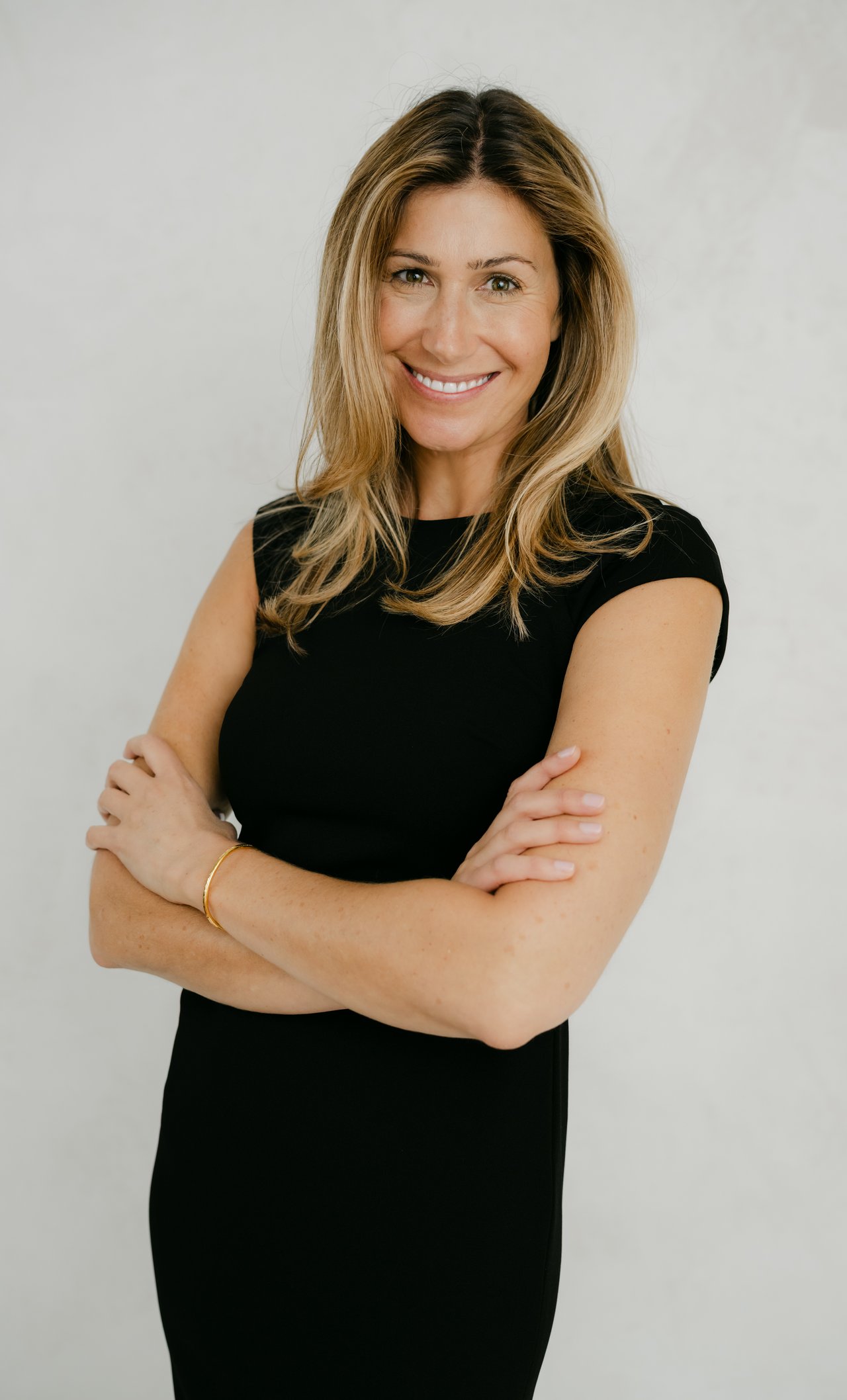
If you are exploring what makes Shipyard work day to day, or thinking ahead to a move into the community, Tierra Schaffer knows this neighborhood at the level of its tennis schedule as well as its listings. Let's Connect.